The Evolution of Loyalty Rewards in Digital Blackjack and Roulette Communities Across European Markets
Parker Fischer · Oct 15, 2026
The Evolution of Loyalty Rewards in Digital Blackjack and Roulette Communities Across European Markets
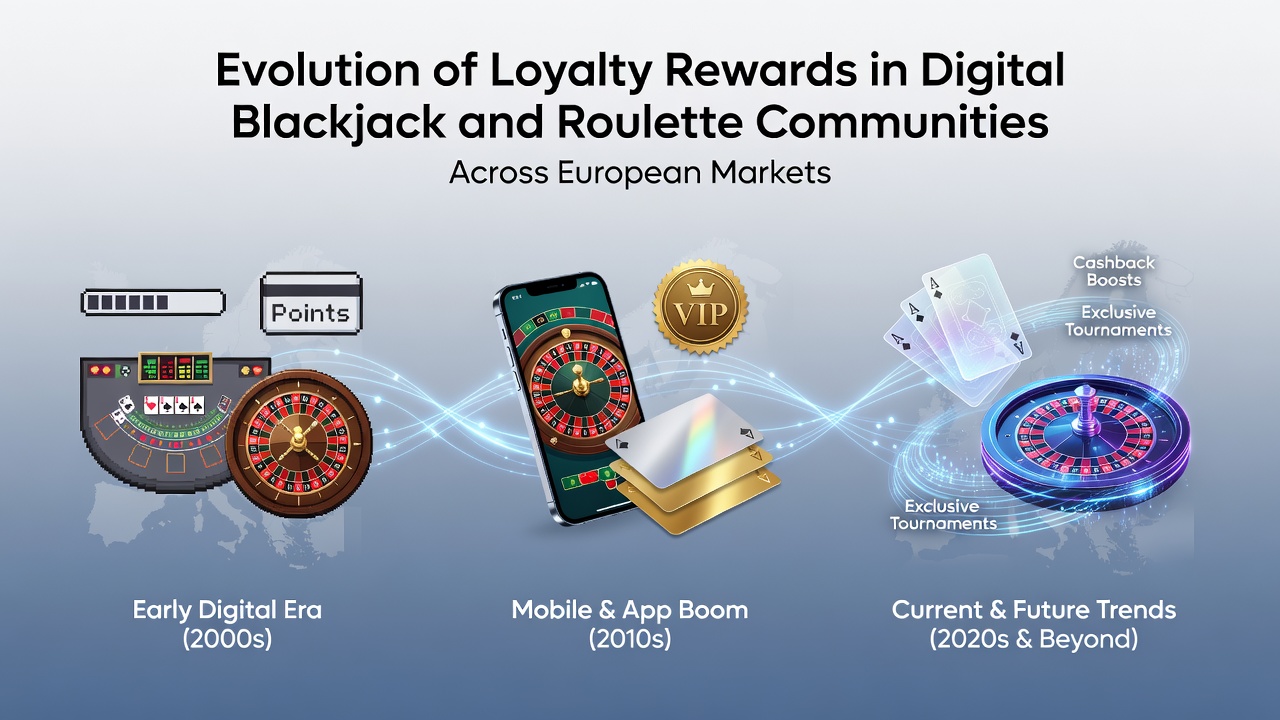
Digital loyalty rewards in blackjack and roulette communities across European markets began with straightforward point accumulation systems during the early 2000s, when operators tracked basic play volumes through simple software platforms that awarded fixed percentages of wagers as redeemable credits. These initial programs focused on retention through cashback mechanisms, which researchers at institutions studying online gambling noted as responses to increasing competition among licensed operators in jurisdictions such as Malta and Gibraltar.
Operators expanded these frameworks by the mid-2010s to include tiered membership levels, where accumulated activity unlocked higher reward rates along with exclusive tournament entries and personalized bonus structures tailored to blackjack strategies and roulette betting patterns. Data from industry analyses shows that such tiers encouraged sustained participation, particularly in communities centered around live dealer variants that simulated physical casino environments through high-definition streaming.
Technological Shifts and Community Integration
Advancements in mobile applications and data analytics transformed reward delivery around 2018 onward, allowing real-time tracking of individual sessions in digital blackjack and roulette settings while incorporating social features that let users form groups for shared challenges and collective milestones. European markets saw operators adopt algorithms that adjusted offers based on historical play data, resulting in customized experiences documented in reports from gaming associations.
Community forums and in-app chat functions emerged as central elements, where participants exchanged strategies and discussed reward redemptions, which in turn influenced operator decisions to introduce peer-referral bonuses and group-based incentives. Figures from market studies indicate these integrations boosted engagement metrics across platforms licensed under varying national frameworks.
Regulatory Frameworks Shaping Reward Structures
European Union directives and national licensing bodies introduced requirements for transparency in loyalty program terms, prompting operators to clarify how points convert to rewards and to implement responsible gaming limits that cap reward accrual for high-volume players. In France, the Autorité Nationale des Jeux oversaw adjustments that aligned programs with consumer protection standards, while similar measures appeared in other member states.
These regulations coincided with shifts toward verifiable fair play mechanisms, including blockchain elements for reward ledgers that provided immutable records of transactions in blackjack and roulette sessions. Observers note that such features addressed concerns over program integrity without restricting the core mechanics of point earning and redemption.
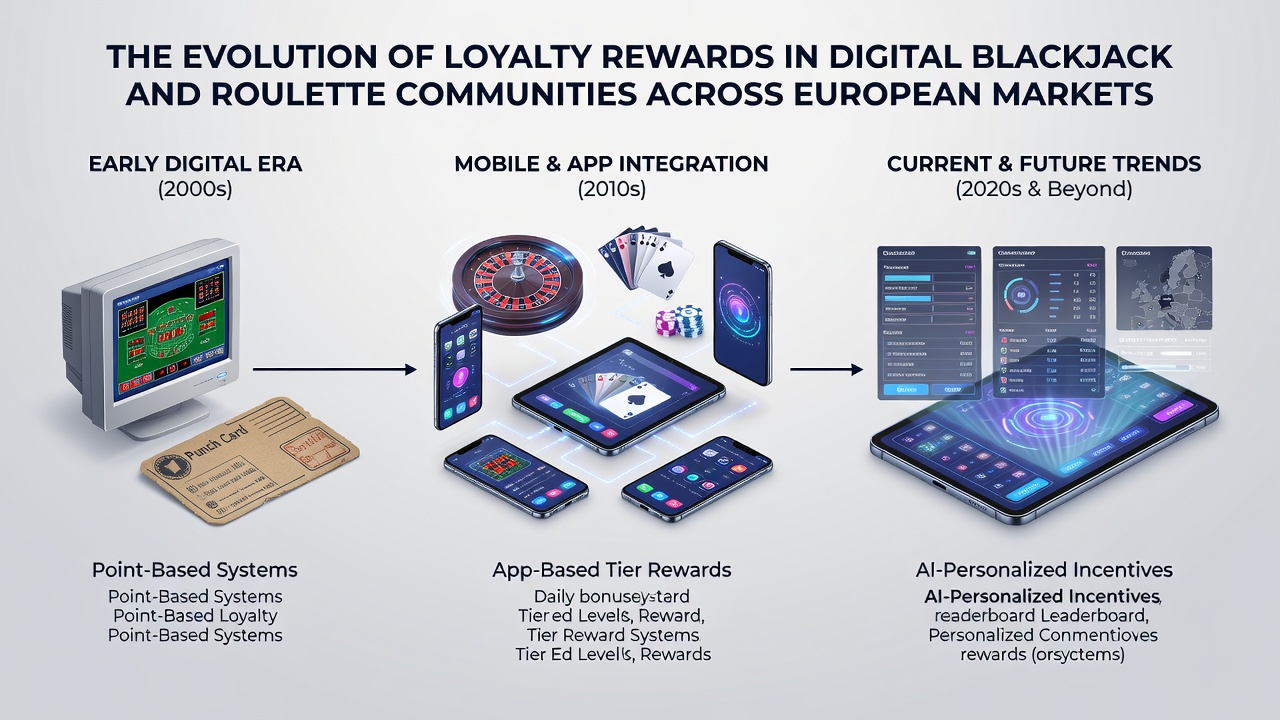
By 2023, personalization reached new levels through artificial intelligence that predicted preferred game variants and suggested reward bundles accordingly, with European operators reporting adoption rates that reflected broader digital trends in consumer services. Partnerships with payment providers facilitated seamless conversions of loyalty points into digital wallets, streamlining access for participants across borders.
Developments in October 2026
October 2026 brought updates from several platforms that introduced hybrid rewards combining traditional points with non-fungible tokens redeemable for virtual items within blackjack and roulette communities. Industry reports, including those referenced by the European Gaming and Betting Association, highlighted how these additions aligned with evolving player preferences in regulated markets.
Cross-border collaborations between operators in different European countries enabled unified loyalty ecosystems, where activity in one jurisdiction contributed to rewards available in another, subject to local compliance rules. Research from academic sources on digital economies documented these expansions as extensions of earlier tier systems.
Community-driven events, such as seasonal tournaments with pooled reward pools, gained traction during this period, with data indicating higher participation from users who valued social recognition alongside monetary incentives. Operators responded by refining algorithms to balance individual and group-based offerings.
Current Landscape and Future Patterns
Current programs emphasize sustainability features, including options to donate portions of rewards to designated causes, which some operators incorporated following stakeholder consultations. European markets continue to see refinements in how loyalty structures adapt to new game formats and device capabilities.
Analyses from research institutions point to ongoing experimentation with augmented reality overlays that enhance reward visualization during live roulette and blackjack streams. These elements build directly on prior technological layers without altering foundational accrual methods.
Conclusion
The progression of loyalty rewards reflects cumulative responses to technological capabilities, regulatory demands, and community dynamics across European digital blackjack and roulette environments. Records from licensing authorities and industry groups illustrate steady adaptation rather than abrupt changes, with October 2026 marking incremental integrations of emerging tools into established frameworks. Continued monitoring by regulatory entities ensures these systems remain aligned with market standards and participant protections.